
The Simple Difference Between HDL and LDL Cholesterol
One kind is bad, and the other is good (except sometimes it isn’t good). It’s more complex than “eat more of this.”

Cholesterol is one of those nutritional boogeymen. It’s terrible for us… except when it isn’t, if it’s HDL instead of LDL. Foods that are high in cholesterol are bad… except when they aren’t, like in eggs. Cholesterol clogs our arteries, but it also can help clean our arteries? Make it make sense!
Let’s cut through the chaos to understand:
What cholesterol is, and what it does in our bodies
The difference between HDL and LDL, and what these abbreviations even mean
How much control we really have over cholesterol levels
Let’s explain cholesterol in simple, plain-language terms, to better understand what it does, and how it interacts with our bodies.
Cholesterol in simple terms
Cholesterol is a waxy, fat-like substance. It’s found in all the cells of the human body, and it’s used to make other important stuff. Vitamin D, certain hormones, and some digestive enzymes are made from cholesterol.
Importantly, the body synthesizes cholesterol — naturally. Even if you did not eat a single milligram of cholesterol, you would not have a “cholesterol deficiency.”
Cholesterol, on its own, isn’t found in the blood. Because it’s a type of fat, it doesn’t really dissolve into the watery bloodstream. (Think about how oil and water will separate, like in salad dressing.)
To solve this issue, the body uses big bubbles, called lipoproteins, to transport cholesterol around the bloodstream. The cholesterol is inside the bubble, with a membrane around it and proteins attached to the outside.
These lipoprotein bubbles can be either larger/looser, or smaller/denser. Large, loose bubbles are called low density lipoprotein (LDL) and tighter, denser bubbles are called high density lipoprotein (HDL).
When doctors test a patient’s blood to measure their cholesterol levels, they look at the number of these little bubbles (officially called vesicles). When a doctor says “your cholesterol levels are high”, they mean that there are a lot of these little vesicles floating around in the bloodstream.
Why is this bad? What’s wrong with excess cholesterol?
Cholesterol stack, call it plaque
When LDL (remember, that’s low-density lipoproteins, loose bubbles full of cholesterol) enters the walls of our arteries, it forms a stiff, sticky substance called plaque. This makes the arteries stiffer and harder, and it makes the interior of the artery narrower.
This is bad.
Narrowed arteries mean that the heart has to pump harder to force enough blood through the smaller-diameter tube, leading to high blood pressure.
Higher pressure can make bits of plaque burst out, forming a sticky blood clot that can clog a blood vessel, or can cause a heart attack if it reaches the heart, or cause a stroke if it reaches the brain.
Poor blood flow can lead to tons of other health problems.
This condition — hardened, narrowed arteries from plaque buildup — is called atherosclerosis.
That’s why LDL is bad. But what about its denser cousin, HDL?
The consensus on HDL is mixed. On one hand, there’s evidence that HDL is able to “pick up” some of the loose cholesterol from plaque, helping to reduce the plaque levels. And HDL doesn’t contribute as much to atherosclerosis as LDL.
But adding in more HDL is not the be-all, end-all solution to atherosclerosis. Clinical trials of a class of drugs called CETP inhibitors showed that the drug drastically raised HDL levels in blood, by up to 60%… but it didn’t lead to a lower risk of heart attacks, stroke, or clogged arteries. CETP inhibitors never got FDA approval.
Another study from JAMA Cardiology in 2022 found that people with high HDL levels were just as likely to die of a cardiac event as people with low HDL levels.
So overall, too much cholesterol (in lipoprotein vesicles) in the blood is a bad thing, because it puts you at risk of atherosclerosis and heart attacks/stroke. LDL is bad, and HDL is less bad (but still not great for us).
Can we do anything about cholesterol?
In most health-focused articles on cholesterol, this is where there’s a section on how to eat healthier. And it’s a good place to make health recommendations; many traditionally unhealthy foods are high in fat and cholesterol:
Red meat
Full-fat dairy
Baked goods
Fried foods
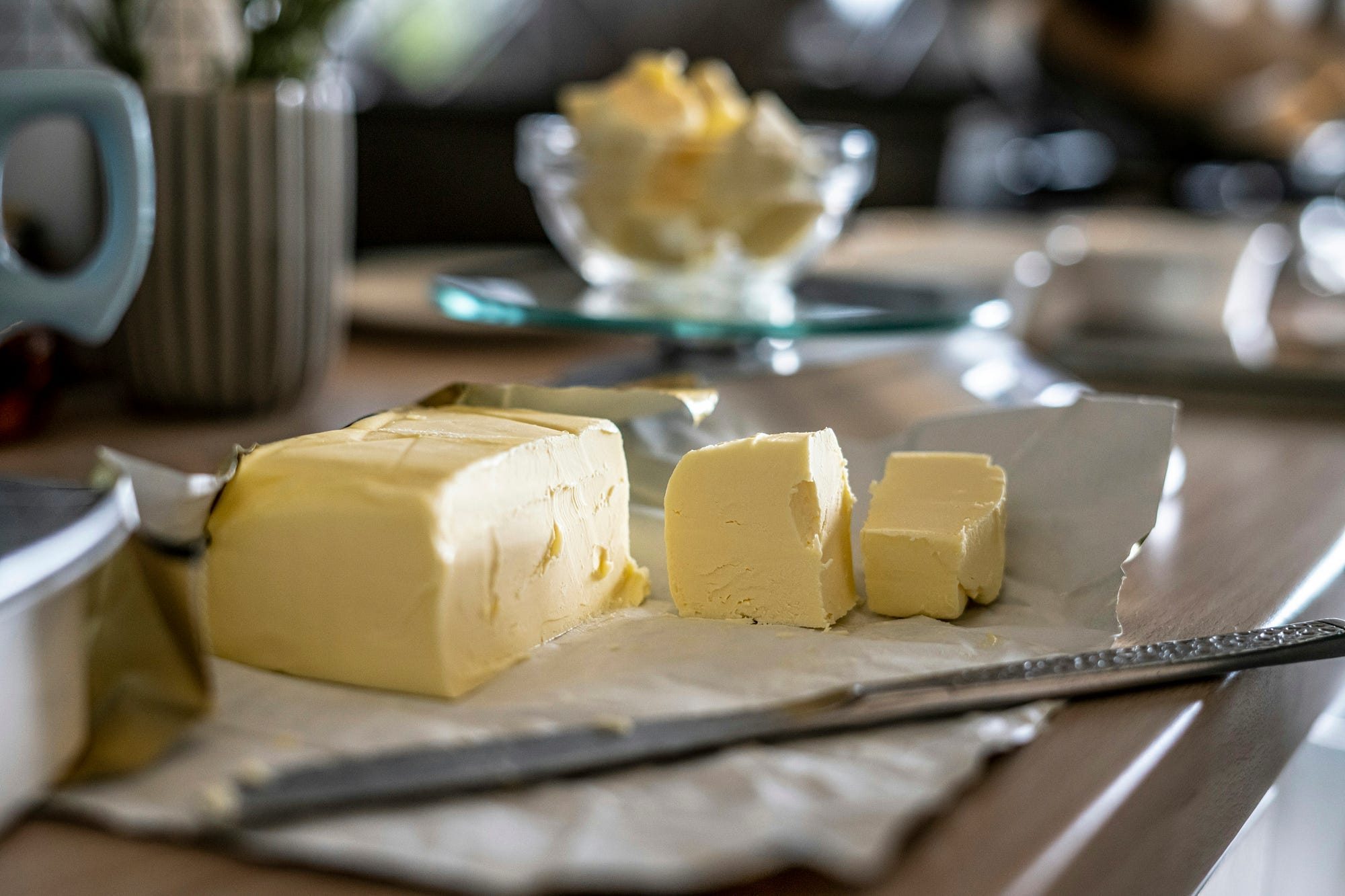
Butter
Tropical oils, like coconut or palm oil (which is also used in a lot of processed foods)
Eggs
Shellfish
But let’s think back to earlier in the article. The body synthesizes cholesterol on its own; even if you ate foods with ZERO cholesterol — exclusively — you’d still have cholesterol circulating in your blood in LDL and HDL particles.
So the body has a baseline level of cholesterol that circulates in the blood, independent of any influence from diet. This is governed mainly by genetics; some people will have high cholesterol levels, no matter what.
And eating high-cholesterol foods doesn’t directly raise blood cholesterol levels. This is important: high diet cholesterol does not equal high blood cholesterol.
Eggs are a great example of this. One single egg yolk contains more than half the daily recommended amount of cholesterol. But massive studies have failed to show any increased heart attack risk from eating eggs on their own.
Instead, the culprit may be a different nutrient: saturated fat. Saturated fat and trans fat in food stimulates the liver to produce more cholesterol to release into the bloodstream (possibly because saturated fat reduces the liver’s ability to accurately judge the level of LDL in the blood).
Many of those unhealthy foods high in cholesterol — red meat, dairy products, fried foods — are also high in saturated fat.
There are also other lifestyle choices that can help shift our cholesterol levels. Smoking, drinking alcohol, and inactivity lowers HDL levels.
So when it comes to diet, cutting down on saturated fat seems to be the winning move. But if someone’s genetic baseline keeps their blood cholesterol levels high, doctors will often prescribe a statin, a cholesterol-reducing drug.
Cholesterol is an important molecule used throughout the body, and it’s naturally synthesized in the liver. It travels through the bloodstream in little enclosed bubbles called vesicles.
These vesicles are either high-density (HDL) or low-density (LDL).
LDL vesicles are considered worse, because excess LDL will get absorbed into the walls of arteries and make them stiffen and tighten, leading to high blood pressure and increased risk of heart attack or stroke. HDL is less bad than LDL, but it’s still not amazing.
The food that we eat affects our cholesterol levels — but not directly. Eating cholesterol doesn’t directly boost your blood cholesterol levels, but a diet high in saturated fat causes the liver to make more cholesterol.
Overall, it’s best to aim for a low LDL level in bloodwork/medical tests. That could come from reducing the saturated fat in your diet — but even if you eat healthy, you could still have high LDL due to your genetics. That’s where cholesterol-reducing meds like statins come in. It’s not a personal lifestyle failing; it’s responding to your genetics.
All this writing has made me hungry! I’m tempted to go for a nice fried donut… but perhaps I’ll make a scrambled egg, instead.